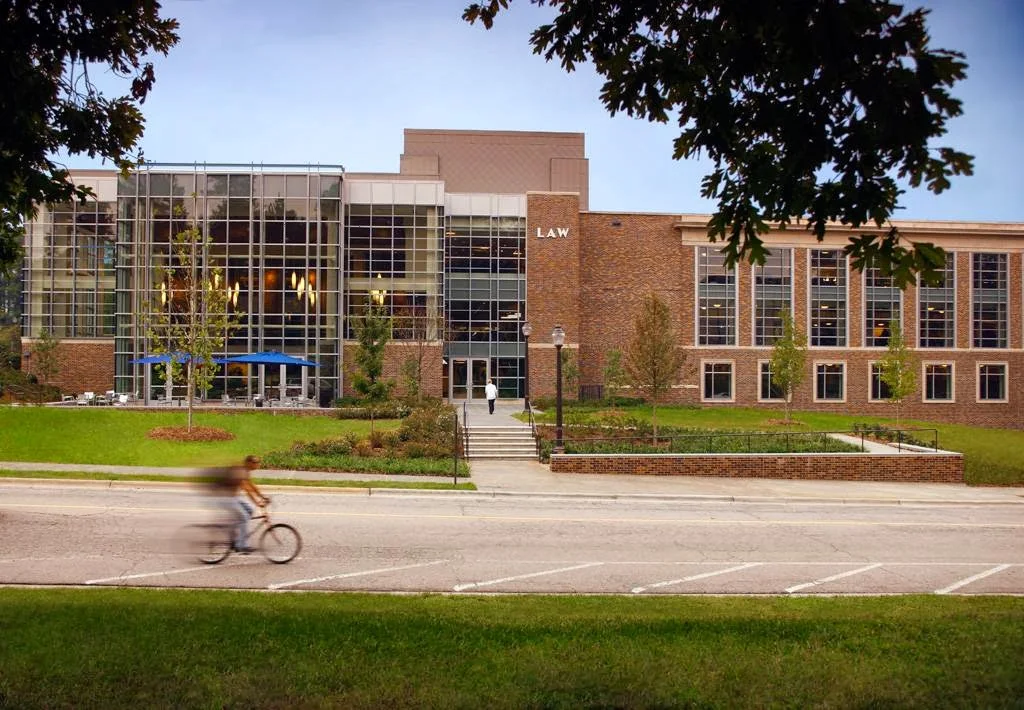
Duke University School of Law
Lawzee EliteOverview
Duke Law is located in Durham, North Carolina, on Duke University’s historic West Campus. A member of the 'T14', it combines the intimacy of a small law school with the resources of a major research university and an international alumni network.
Academic Environment
Duke emphasizes collaboration, leadership, and interdisciplinary study. Students frequently pair their J.D. with degrees in business, public policy, or other graduate programs. The curriculum features extensive clinics and externships, and the culture is known for being both academically demanding and personally supportive.
Career Outcomes
Duke Law places a very high percentage of its graduates into elite law firms and federal clerkships across the country, with especially strong pipelines into New York, Washington, D.C., and the Southeast. The school also supports public interest careers through dedicated advising and loan repayment assistance.
Areas of Study
Top Clinics
Journals
LSAT Score Distribution
A median LSAT of 171 places Duke Law among the most competitive law schools. Applicants below 169 should consider retaking the exam or emphasizing other strong application components.
Undergraduate GPA Distribution
Application Components
- ✓Personal Statement
- ✓CAS Report (LSAT & Transcripts)
- ✓2-3 Letters of Recommendation
- ✓Resume
- ?Diversity Statement (Optional)
- ?Interview (By Invitation)
Frequently Asked Questions about Duke Law
Is it hard to get into Duke University School of Law?
Yes, Duke Law is extremely competitive with an acceptance rate of 13.9%. Successful applicants typically have LSAT scores above 169 and GPAs above 3.8.
What is the lowest LSAT accepted?
While there is no strict minimum, the 25th percentile LSAT score is 169. Applicants scoring below this number face significant challenges but may be considered if they have exceptionally strong soft factors or work experience.
Does Duke Law require an interview?
Interview policies vary by year, but top-tier schools like Duke Law often use interviews (by invitation) to evaluate candidates holistically. Check the specific requirements in the Admissions section above.
What is the employment rate for graduates?
95% of graduates are employed 10 months after graduation. A significant portion (65%) go into BigLaw firms, while 16% secure federal clerkships.