Best Law Schools for Energy & Natural Resources Law (2026 Edition)
Want to power the future? Explore the best law schools for Energy and Natural Resources Law in 2026. From the oil and gas giants in Houston to the renewable innovators in Berkeley, we rank the top programs for energy lawyers.
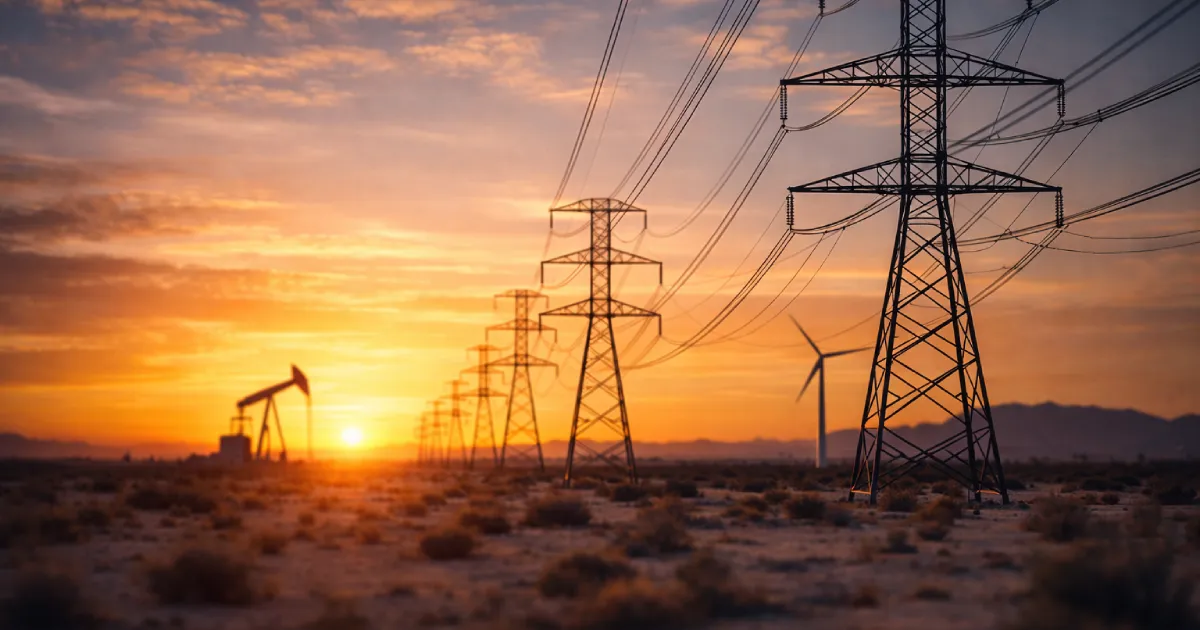
1. The Power of Energy Law
"Energy Law is the engine of the global economy—every light switch, every electric vehicle, every data center runs on the legal frameworks we build."
In 2026, Energy & Natural Resources Law is undergoing its most significant transformation in a century. The "dual energy" era—simultaneously managing traditional fossil fuels while building the renewable future—has created unprecedented demand for lawyers who can navigate both worlds.
2. The "Big Three" Legacy Leaders
University of Houston Law Center
The Energy CapitalThe undisputed heart of the energy industry. Located in the world's energy capital, with unparalleled access to energy majors and the Environment, Energy & Natural Resources (EENR) Center.
University of Texas at Austin
The Texas PowerhouseThe leader in Texas Oil & Gas law and the burgeoning renewable tech market. UT's Energy Law Clinic and alumni network dominate Austin's energy ecosystem.
LSU Law (Hebert Law Center)
The Mineral Law ExpertThe premier institution for mineral law and maritime energy. LSU's location in the Gulf Coast energy corridor provides unmatched opportunities in offshore energy.
3. The Natural Resources Powerhouses (The Mountain West)
University of Colorado Boulder
Water Law LeaderThe undisputed leader in Water Law and Federal Land Management. Colorado's location provides unparalleled access to Western water rights and public lands issues.
University of Denver (Sturm)
Mineral Law SpecialistKnown for specialized Mineral Law programs and the Rocky Mountain Land Use Institute. Denver is the hub for Western natural resources law.
University of Utah (S.J. Quinney)
Sustainability HubA growing hub for Western resources and sustainability law. Utah's focus on energy transition and critical minerals makes it ideal for the new energy economy.
4. The Regulatory & Transition Innovators
Georgetown & GW Law
The D.C. RegulatorsUnrivaled access to FERC, DOE, and federal energy policy. These schools are the pipeline to federal energy regulatory careers and Big Law energy practices.
UC Berkeley Law
Clean Energy PioneerThe pioneer in clean energy law and grid decarbonization. Berkeley's Center for Law, Energy & Environment leads on renewable energy policy.
Tulane Law
Energy-Maritime ExpertThe leader in energy-maritime law and international arbitration. Tulane's Gulf Coast location provides unique expertise in offshore energy.
5. What to Look For in a Program
Specialized Clinics
Look for schools with energy law clinics. Texas's Energy Law Clinic and Colorado's Natural Resources Clinic provide hands-on experience.
Niche Journals
Houston Journal of International Law and Colorado Natural Resources Law Review are the most respected publications in the field.
Industry Networking
Mentorship programs with 'Supermajors' (Exxon, Chevron, BP) and 'Renewable Leaders' (NextEra) are critical for placement.
| Region | Best Schools | Specialization | Focus |
|---|---|---|---|
| Texas/Gulf Coast | University of HoustonUniversity of TexasLSU | Oil & Gas, Maritime, Hydrogen | Energy majors and international arbitration |
| D.C. | GeorgetownGW LawAmerican University | Federal Regulation, Policy, Utilities | FERC, DOE, and federal energy policy |
| Rockies/West | University of ColoradoUniversity of DenverUniversity of Utah | Water Law, Mining, Public Lands | Western resources and sustainability |
6. Career Paths & Salaries
Energy Law is one of the highest-paying legal fields, with Junior Associates at energy boutiques or Big Law firms commanding $225k+ starting salaries.
Energy In-House
Exxon, Shell, NextEra
Lifestyle: Great work-life balance, high stability
Big Law Energy
Houston, NY, Dallas firms
Lifestyle: Highest salary, high pressure
Government/Regulatory
FERC, DOE, State Agencies
Lifestyle: Moderate salary, high policy impact
The Partner's Perspective
7. Choose Your Path: Mineral Rights vs. Renewable Finance
The most important decision is whether you want to work on extracting traditional resources or building the renewable future.
Mineral Rights & Extractives
Focuses on traditional energy. Oil, gas, coal, and mineral extraction. You're working on drilling permits, mineral rights, and extraction contracts.
Best For: Those interested in high-value transactions and traditional energy infrastructure.
Key Skills: Property Law, Contracts, Regulatory Compliance
Renewable Finance & Infrastructure
Focuses on clean energy. Solar, wind, battery storage, and grid modernization. You're structuring PPAs, renewable credits, and energy storage projects.
Best For: Those passionate about energy transition and innovative financing structures.
Key Skills: Project Finance, Tax Credits, Regulatory Strategy
Frequently Asked Questions
Is Oil and Gas law still a viable career in 2026?
Yes, but it's evolving. The focus is shifting to 'Carbon Capture' and 'Decommissioning' of old assets. Traditional oil and gas work continues, but climate mitigation is now a major practice area.
What is 'Water Law' and why is it becoming so important?
Water Law governs water rights, allocation, and usage. With climate change causing droughts and increased demand for water in energy production (fracking, hydrogen), water lawyers are in high demand.
Do I need a STEM degree to practice energy law?
No, but it helps. Understanding the technical aspects of energy extraction, generation, and transmission provides an advantage. Many top energy lawyers have engineering or geology backgrounds.
What is 'Public Utility Law'?
Public Utility Law regulates utilities that provide essential services (electricity, gas, water). It involves rate cases, regulatory compliance, and the transition to renewable energy sources.
The Energy Lawyer Checklist
3 Things to Do in 1L
- Join the Energy Law Association and student organizations
- Take Energy Law and Administrative Law in your first year
- Attend energy industry conferences and networking events
The Dual Energy Insight
"The future of energy law isn't choosing between oil and gas or renewables—it's understanding both. The most valuable energy lawyers can structure a carbon capture project one day and a renewable PPA the next."
— Senior Energy Partner & Faculty Advisor for Energy Law Institute